
Elizabeth Greason, LCSW
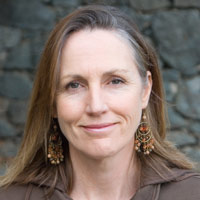 I am a licensed clinical social worker specializing in the treatment of trauma, post-traumatic stress disorder, anxiety, postpartum depression, and relational issues. I use a body centered, relational and experiential approach, integrating various trauma therapies (EMDR, Sensorimotor Psychotherapy, Somatic Experiencing, and AEDP or Accelerated Experiential Dynamic Psychotherapy and Emotionally Focused Couples Therapy), with cognitive behavioral, transpersonal work, and contemporary psychodynamic psychotherapy. Ultimately, after many years of working with these modalities I find that I pull what I need in the moment depending on who I am working with.
My expertise consists of the training and practice of various body/mind disciplines over the past twenty years, with the past fifteen focused on psychotherapy. I maintain a private practice treating adults, adolescents and couples with offices in both Marin and San Francisco.
How I Work
When I begin working with someone, I try to really understand who this person is; what has brought them to therapy at this time, what are their dreams, what areas of their life work for them and what areas are causing them difficulty. When someone is in immediate crisis, additional supports are sometimes needed. I have a large variety of resources that I have access to. In the case of a new mother experiencing a traumatic birth for example, I might help access immediate childcare, psychiatric consultation or specialized bodywork to help re-settle the nervous system.
When working with symptoms of trauma, it is important to identify and understand not only the traumatic event, but the individual’s resources and strengths as well. Resources are experiences, talents, memories, or activities, that when accessed, help a person feel strong, safe, capable, in control, or deeply connected to themselves. Often we discover that these resources became suspended at the time of the traumatic event and are now experienced as missing or unavailable.
Working experientially, resources are re-integrated, strengthening the client’s sense of self and their sense of safety in the world. These same resources are used when we begin to process the trauma. Moving back and forth from the memory of the trauma to an experience of being resourced allows the client to “put on the brakes” or control how fast the process moves without becoming re-traumatized.
Trauma therapy is best conceptualized as a three part process. The first stage involves establishing safety, containment, and a strong therapeutic alliance between the therapist and client. Once this is established, we begin the second stage of processing the trauma itself. The final stage is integrative, moving forward into life, and perhaps involving deep grief, as mourning for what has been lost occurs.
I find it helpful to educate clients about the neurobiology of trauma and how their symptoms relate to the fight or flight response that is triggered when one is faced with an overwhelming threat. Placing distressing symptoms in a cognitive framework that makes sense can be very reassuring and can help reduce anxiety and feelings of being “abnormal” that may follow a traumatic incident.
Throughout our work together, I encourage clients to develop an awareness and vocabulary of their body’s sensory experience. Learning to track sensory experience when recalling a traumatic event allows us to shift from the emotional and narrative processing of the trauma that can be overwhelming, to sensory processing, through the nervous system where the shock is deeply held. As traumatic material is processed through the nervous system, traumatic symptoms lessen and disappear. Working in this manner allows previously dissociated experience to integrate in a way that the individual can assimilate on every level.
What I Love About My Work
I consider myself very fortunate to be able to do work that feels so meaningful to me and that is able to elicit significant change in other’s lives.
I was in my twenties when I first had that Aha! experience of knowing that this was the work that I wanted to do. I had been working with a therapist who had given me tools and guided me to places inside myself where I found my own answers. It was a powerful experience. After one particularly important session I came to the realization that this was the work that I wanted to do. I wanted to help others have this experience. It was the beginning of a long and wonderful journey that I continue on to this day.
What is exciting to me is to really see and feel change. We now know that our brains are plastic and can change in relationship with a “safe” other. Much as an infant’s brain develops in face –to- face, moment- to- moment contact with his mother or primary caretaker, our brains can change in that same right brain to right brain contact that occurs in the therapeutic relationship. Through the establishment of safety and a secure relational base to work from, transformation occurs and old emotional and relational patterns are able to change.
Working experientially and bringing in an awareness of the body comes naturally to me. Bringing this into our work together accelerates change. The answers do arise from within; the nervous system changes and symptoms disappear or are relieved. I have come to trust this process and feel extremely fortunate to be doing this work.
The field of Trauma has grown immensely in the past twenty years. We really do know how to elicit change. Being a part of that change in other’s lives is what gives my work meaning and is one of the things that brings me joy and a sense of fulfillment.
Elizabeth Greason, LCSW
Phone: 415-454-2636
Email: [email protected]
1346 Fourth St.
San Rafael, CA 94901